The Best Spice for Lowering Cholesterol, According to Dietitians

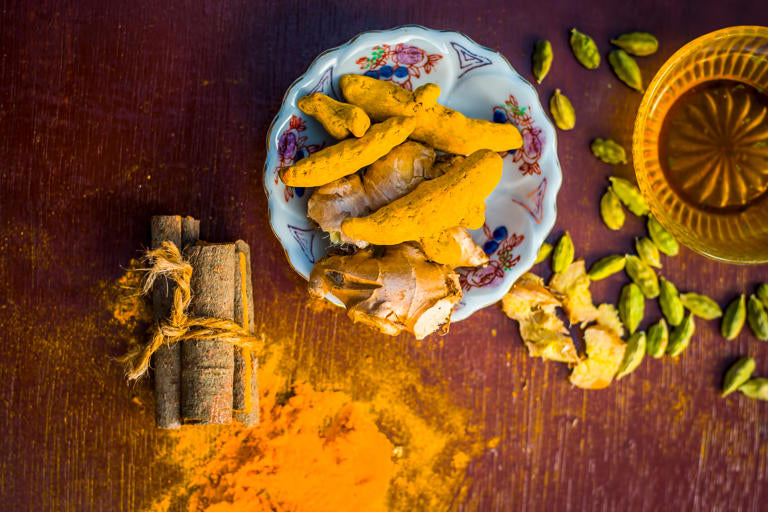
Closeup view of a textured powder surface
Ginger contains unique antioxidants.

orinoco-art / Getty Images

  • Why this matters: Ginger is the best spice for lowering cholesterol, thanks to its well-studied benefits.
  • What you can do: Add about one teaspoon of ground ginger to meals or drinks each day.
  • The payoff: Lowering your cholesterol can help reduce your risk of heart disease, heart attack, and stroke over time.

Spices do more than add flavor. Sprinkling them into your meals can result in meaningful health benefits—including lowering cholesterol. If you wanted to add just one spice to lower cholesterol, three dietitians agreed that ginger is the best choice.

Why Ginger Is the Best Spice for Lowering Cholesterol

Several spices can help lower cholesterol, but ginger has some of the most extensive research behind it. A 2026 research review, including over 43,000 participants, found that ginger was associated with lower total cholesterol and LDL cholesterol (the “bad” one).1

Another study of 26 clinical trials specifically found that ginger lowered LDL cholesterol by about 5 mg/dL and total cholesterol by about 7 mg/dL.2

This effect may be due to ginger’s unique plant compounds, including gingerols and shogaols, which act as antioxidants.

“Ginger’s inflammatory benefits are measurable in the body, with significant reductions in inflammatory biomarkers,” Avery Zenker, MAN, RD, a registered dietitian, told HEALTH.

This helps combat chronic inflammation, which can otherwise disrupt how the body processes fats, potentially raising cholesterol levels.3

“Gingerols may also help the liver clear cholesterol and reduce how much the gut absorbs from food,” Zenker added.4

Using ginger may also help you cut back on other ingredients that may raise cholesterol.

“Ginger can help reduce reliance on salt, may replace some added sugar, and can make vegetables more appealing with less reliance on saturated-fat-rich toppings, such as butter or cream-based dressings,” Jennifer Pallian, RD, registered dietitian and founder of Foodess, told HEALTH.5

How to Get the Most Cholesterol Benefits From Ginger

Experts offered the following tips to get the most cholesterol-lowering benefits from ginger:

  • While there’s no one ideal dose, Pallian said, “around 1.5 to 2 grams per day have shown benefits in some studies.” That’s about 1 teaspoon of ground ginger.6
  • Pair ginger with lemon for potentially even greater cholesterol benefits. “Animal studies have found that lemon and ginger taken together may help reduce LDL cholesterol,” Zenker said.7
  • Integrate ginger into recipes you already love. The spice works well in soups, baked goods, lattes, and teas.

Experts also emphasized that ginger should be viewed as a bonus to a heart-healthy diet—not a quick fix for unhealthy habits.

“It’s also important to prioritize increasing soluble fiber from foods like oats, beans, lentils, and fruit; regularly eating nuts, seeds, and other unsaturated fats; replacing some saturated fat with unsaturated fat; and emphasizing minimally processed plant foods overall,” Cici McGuane, MS, CNS, LDN, licensed dietitian and founder of Core Nutrition, told HEALTH.

5 Teas To Lower Your Cholesterol Naturally

Two cups of tea surrounded by herbs and spices on a blue table
Certain teas contain compounds that can help improve cholesterol levels and heart health.

Foxys_forest_manufacture / Getty Images

Drinking tea is an easy habit that may support heart health when paired with a balanced diet. Some types of tea, such as green, black, and ginger, contain healthy compounds that may help lower LDL (“bad”) cholesterol.

1. Green Tea

Cup of tea with loose leaf tea basket on a bamboo mat
Green tea is rich in antioxidants and is well-studied for its heart health benefits.

ATU Images / Getty Images

Green tea is one of the most well-studied teas for heart health. It contains catechins, powerful antioxidants that may lower low-density lipoprotein (LDL) cholesterol in the blood.1

One review found that green tea consumption lowered total cholesterol and LDL cholesterol by up to 5%. Even small cholesterol reductions can make a difference. Studies show that a 1% drop in total cholesterol is linked to a 2-3% lower risk of heart disease, while a 1% drop in LDL cholesterol is linked to about a 1% lower risk.1

2. Black Tea

A bowl of dried tea leaves and a cup of brewed tea on a wooden surface with a teapot in the background
Black tea contains compounds that can lower LDL cholesterol and promote overall health.

Nungning20 / Getty Images

Black tea contains plant compounds called polyphenols that may help lower LDL cholesterol. These effects may be stronger in people who have a higher risk of heart disease.2

Some research also suggests that black tea polyphenols may promote overall health by:3

  • Reducing how much fat and sugar your body absorbs and supporting weight management
  • Improving blood flow and supporting healthy blood pressure
  • Reducing oxidative damage that can increase the risk of chronic disease

3. Ginger Tea

A cup of tea with ginger lemon slices honey and mint on a wooden table
Ginger tea may help lower LDL cholesterol and inflammation to support heart health.

Valentyna Yeltsova / Getty Images

Ginger tea is a warm, comforting tea best known for its digestive health benefits. It also contains compounds that may reduce inflammation and support heart health.

Research suggests ginger may help lower LDL cholesterol and triglycerides. Triglycerides are a type of fat in the blood, and having high levels can increase the risk of heart disease.4

To make ginger tea, steep fresh ginger slices in hot water. It is naturally caffeine-free, which makes it easy to enjoy at any time of day.

4. Oolong Tea

A glass cup of oolong tea with a wooden bowl and spoon containing loose tea leaves on a wooden surface
Oolong tea contains antioxidant compounds that can benefit cholesterol and heart health.

Nungning20 / Getty Images

Oolong tea is a popular tea that falls between green and black tea. It has a unique, mild flavor and can be enjoyed hot or iced. Oolong tea contains catechins and other polyphenols that may help lower cholesterol. These compounds may work by blocking lipase, an enzyme involved in fat digestion, which may help reduce how much fat is absorbed in the gut.5

5. Hibiscus Tea

A cup of hibiscus tea being poured into a clear glass mug surrounded by dried hibiscus flowers on a white table
Hibiscus tea may help lower LDL and raise HDL cholesterol, promoting heart health.

mescioglu / Getty Images

Hibiscus tea is a caffeine-free tea made from dried hibiscus flowers. It has a tangy, slightly sour flavor and is sometimes called sour tea.

Research suggests that hibiscus tea may help lower LDL cholesterol while boosting high-density lipoprotein (HDL) cholesterol levels. HDL cholesterol is often called “good” cholesterol because higher levels are linked to better heart health.6

These effects are thought to be largely due to antioxidants called anthocyanins, which are found in hibiscus.6

Tips for Using Tea To Lower Cholesterol

Tea can be enjoyed hot or cold and at any time of day. Here are some heart-healthy ways to enjoy it and get the most benefit:

  • Choose unsweetened tea to avoid added sugars
  • If you prefer a sweeter or more flavorful tea, add a small drizzle of honey or a squeeze of lemon
  • Be mindful of caffeine content, and choose caffeine-free options like ginger or hibiscus tea in the hours before bed to support healthy sleep
  • Pair tea with a heart-healthy diet that includes plenty of fiber-rich foods, such as fruits, vegetables, whole grains, and legumes

If you take cholesterol-lowering medications or have a heart condition, talk with a healthcare provider before making major changes to your diet.

Edited by